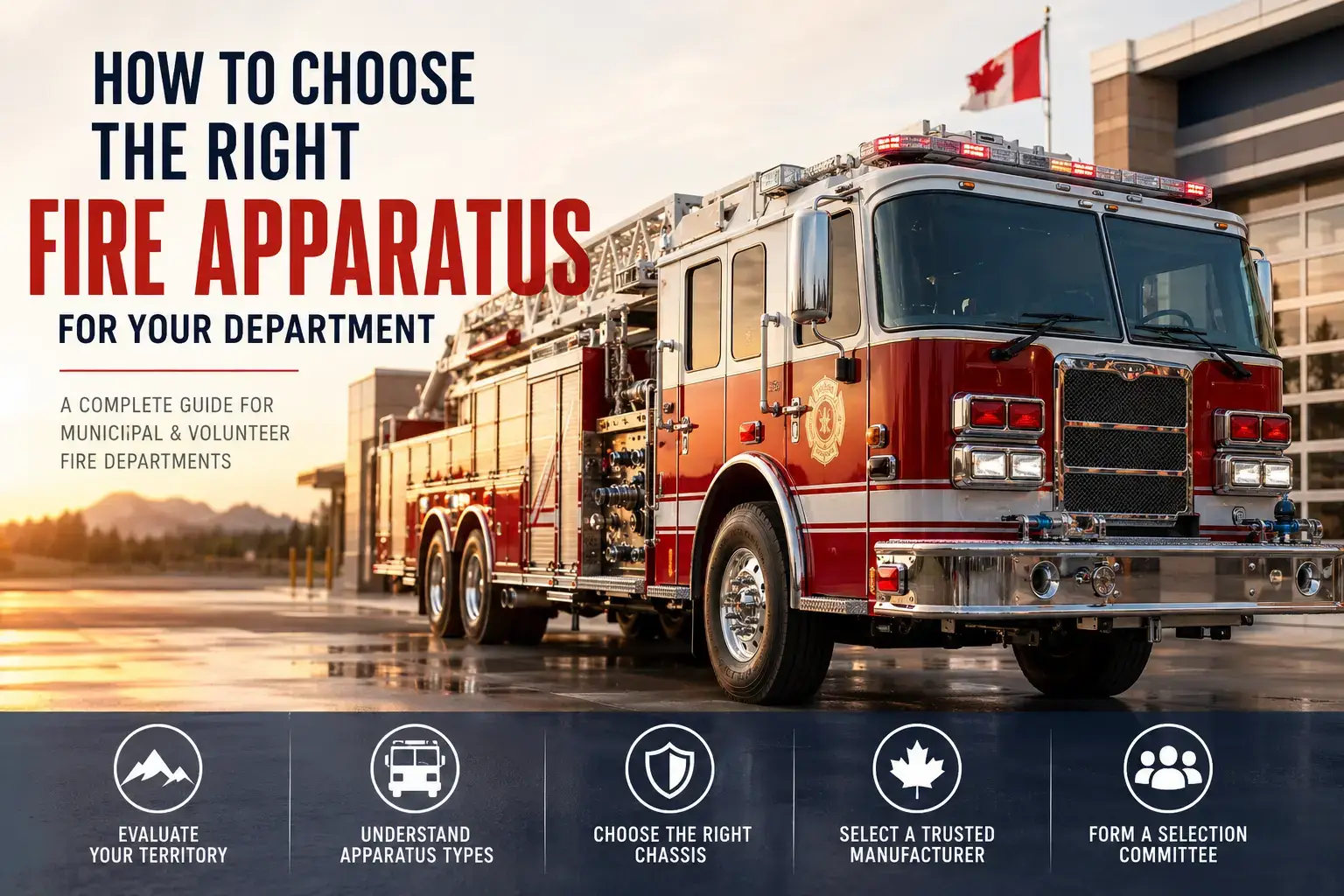
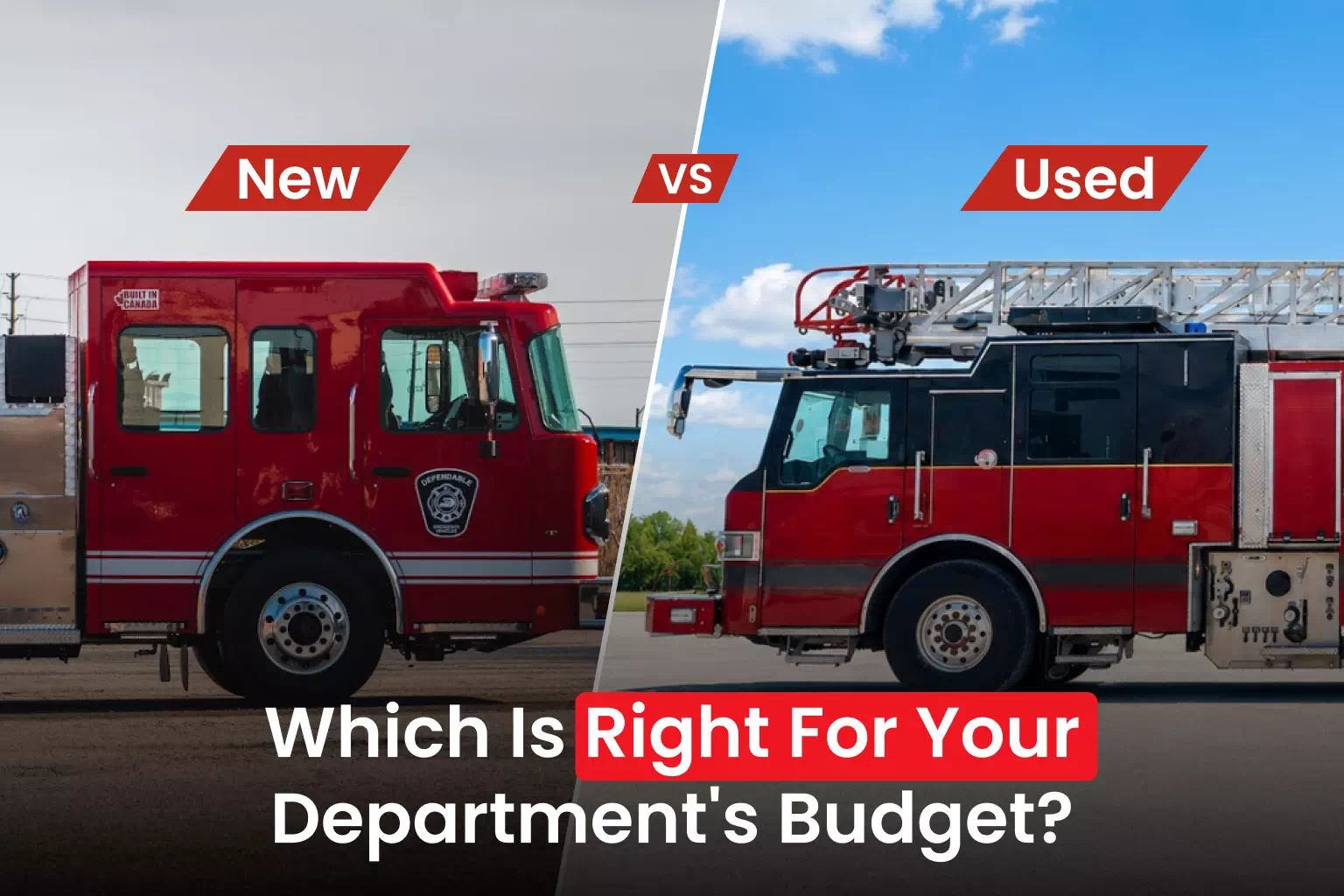
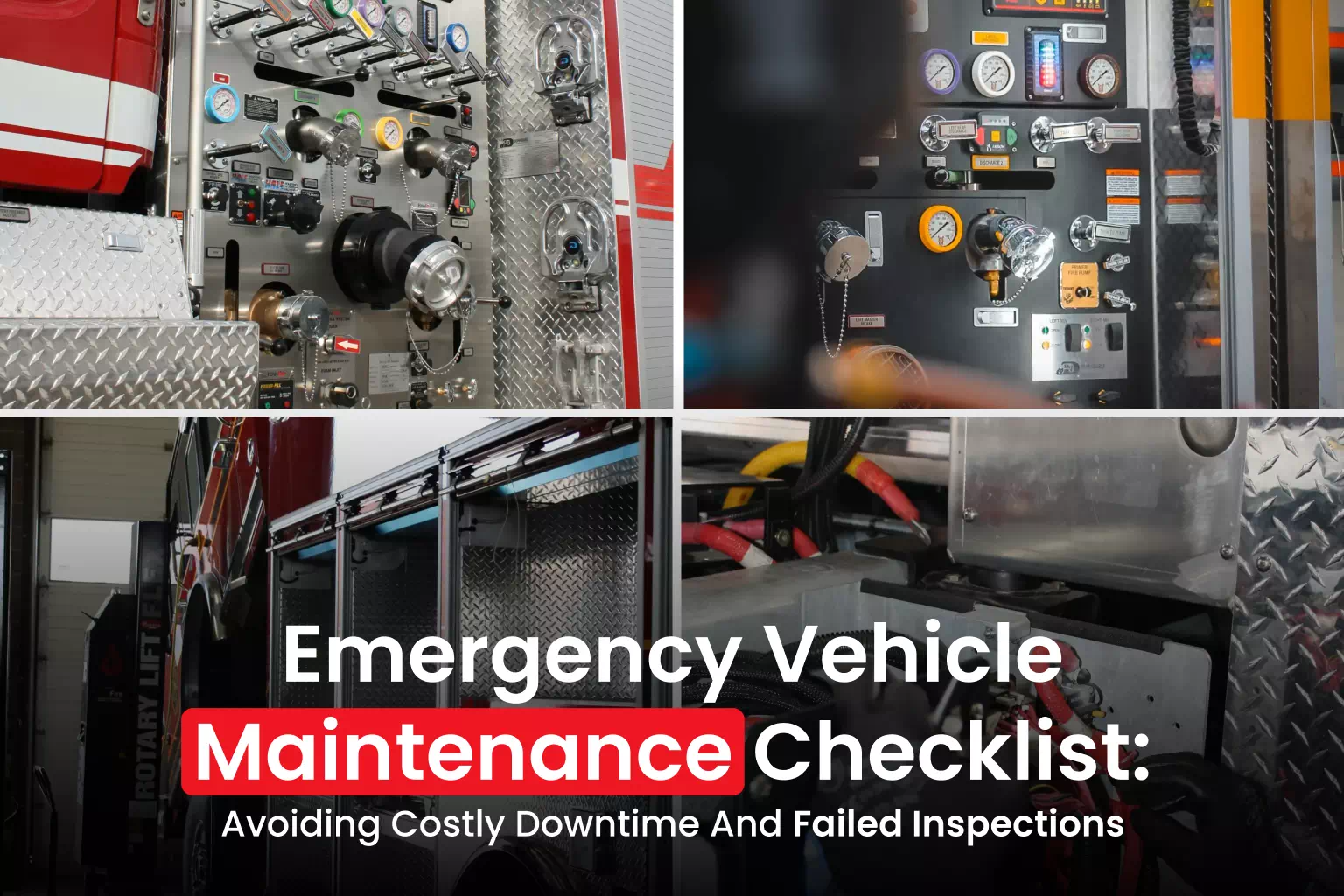
Purchasing a new fire apparatus is one of the most significant financial and operational decisions a municipal or volunteer department will ever make. Because these machines represent a multi-decade investment, selecting the wrong configuration can hinder your team’s performance and compromise community safety.
Whether your department is navigating narrow urban corridors or rugged rural terrain, this comprehensive guide will explain how to evaluate your community’s needs and choose the ideal emergency response vehicles for your department.
1. Evaluate Your Territory and Infrastructure
Before looking at manufacturers’ catalogues, you must analyze your response area. The local geography helps determine the physical requirements of your fleet.
Terrain and Weather
- Urban Environments: Tight city streets, high-rise buildings, and heavy traffic may require a firetruck with a short wheelbase, tight turning radius, and an aerial ladder for vertical reach.
- Rural and Wildland Areas: Off-road terrain, steep hills, and a lack of municipal fire hydrants may require four-wheel-drive capabilities, high ground clearance, and larger onboard water tanks.
Station Limitations
Ensure the apparatus will fit inside your station. Measure your station’s garage door clearance, ceiling height, floor weight capacity, and bay length. New custom emergency vehicles may be longer and heavier than the older vehicles they replace.
2. Understand the Primary Types of Fire Trucks
Different emergencies require different configurations. Most departments rely on a strategic mix of the following types of apparatus:
Triple-Combination Pumpers (The Standard Fire Engine)
Often referred to as a fire truck, the triple-combination pumper is the backbone of most fire department fleets. To meet standard credentials, it must feature:
- An onboard water pump capable of moving large volumes of water.
- A sizable water supply tank.
- A diverse range of ground ladders and fire hoses.
Aerial and Ladder Trucks
Commonly referred to as ladder trucks or aerial apparatus, these vehicles carry heavy elevating ladders or man-platforms. They are essential for search and rescue, ventilation, and master-stream water delivery at multi-story structures.
Initial Attack and Wildland Vehicles (Brush Trucks)
These smaller, highly manoeuvrable emergency response vehicles are designed to combat vegetation and forest fires. They feature specialized off-road suspension systems and pump-and-roll capabilities, allowing crews to discharge water while the vehicle is moving.
3. Custom vs. Commercial Chassis
Choosing between a custom-built chassis and a commercial chassis involves balancing your budget against your specific performance requirements.
| Feature | Custom Chassis | Commercial Chassis |
| Cab Space | Designed to accommodate firefighter crews and interior gear storage. | Limited to standard commercial truck cab dimensions. |
| Durability | Specifically engineered for severe-duty emergency response. | Built for commercial use and adapted for fire service applications. |
| Cost | Premium pricing due to specialized design and manufacturing. | Generally more affordable with widely available replacement parts. |
4. Selecting the Right Apparatus Manufacturer
The engineering and build quality of your vehicle depends heavily on the manufacturer you choose. While there are many options across Canada, Canadian fire truck manufacturers have earned a strong reputation for building durable fire apparatus.
Canadian manufactures design apparatus to withstand extreme sub-zero temperatures, heavy exposure to road salt, and harsh winter conditions, these manufacturers are highly favored by departments across Canada. Look for manufacturers that offer insulated plumbing systems and corrosion-resistant body materials, such as marine-grade aluminum or heavy-duty stainless steel.
5. Form an Apparatus Selection Committee
To avoid buying a vehicle that falls short of expectations, establish an internal selection committee. This group should include:
- Fleet Mechanics: Evaluate engine accessibility, electrical systems, and maintenance requirements.
- Line Officers and Firefighters: Ensure hosebed layouts, cab ergonomics, and tool storage compartments support efficient real-world operations.
- Financial Officers: Keep the build within your municipality’s capital budget.
FAQs
What is the average lifespan of a standard fire truck?
According to NFPA guidelines, a frontline fire truck should serve for roughly 10 to 15 years before being moved to reserve status, completely retiring after 20 years of service.
How do custom fire truck cabs improve safety?
Custom cabs offer optimized crash protection, advanced rollover safety systems, and tailored seating configurations that accommodate self-contained breathing apparatus (SCBA) and help keep firefighters properly restrained while the vehicle is moving.
Why do departments choose Canadian fire truck manufacturers?
Canadian fire truck manufacturers are often selected for their experience with cold-weather engineering, insulated plumbing systems and corrosion-resistant bodies designed to withstand severe winter conditions and exposure to road salt.
What pump capacity does a standard pumper need?
Modern frontline municipal pumpers commonly feature pumps rated from 1,250 and 2,000 gallons per minute (GPM), depending on the department’s operational requirements.