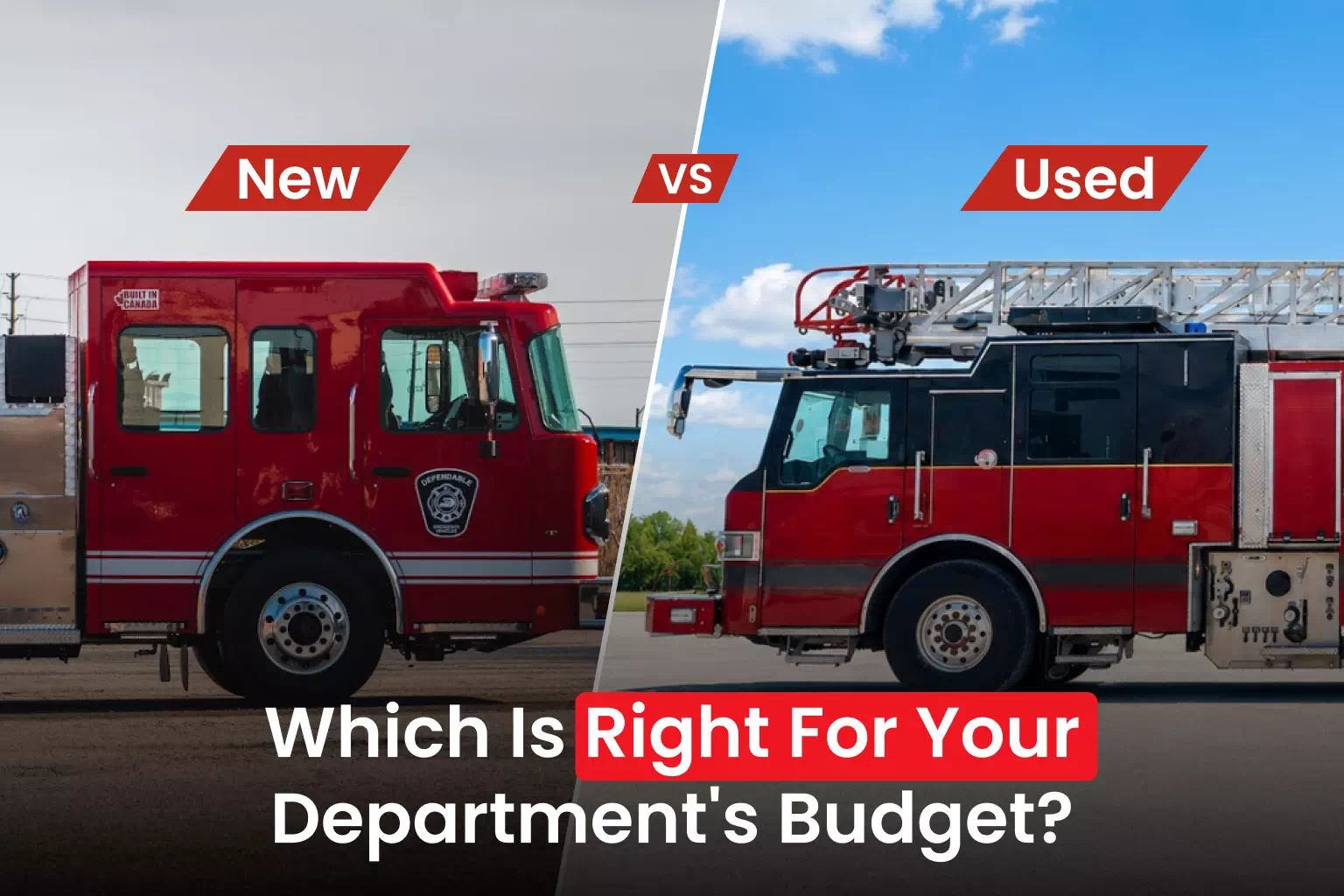
Purchasing a pre-owned vehicle for an emergency fleet is a practical strategy for municipal departments, volunteer departments and industrial response teams looking to maximize their capital budget. However, acquiring pre-owned emergency equipment requires rigorous due diligence to ensure operational reliability and firefighter safety. Whether evaluating a fire rescue truck for sale or searching local listings for a used fire truck for sale in Ontario, following a structured inspection process prevents unexpected maintenance downtime and costly overhaul expenses.
The Essential Pre-Purchase Inspection Framework
Direct Summary:
When evaluating pre-owned emergency apparatus, buyers should execute a four-part inspection process: reviewing EVT service history, conducting certified pump and pressure tests, inspecting structural chassis corrosion and verifying electrical system integrity. Ensuring NFPA compliance and parts availability guarantees long-term fleet readiness.
This comprehensive checklist breaks down the primary operational systems every municipal fleet officer or chief should inspect before finalizing a purchase.
1. Documentation, Service Records and Certification History
Before examining mechanical components, carefully review the vehicle’s historical paperwork and operational service records. Proven maintenance documentation establishes how well the unit was preserved by its previous agency.
- Maintenance Logs: Look for consistent routine service records performed by certified Emergency Vehicle Technicians (EVT).
- Third-Party Test Certificates: Verify current, documented certifications for annual pump testing, aerial ladder testing (if applicable) and tank integrity.
- Title and History Reports: Ensure clear title status, verify accurate odometer and engine-hour readings and check for major collision or flood damage repair history.
- NFPA Standard Alignment: Review past compliance records to determine which retrofits or updates are required to meet current operational standards.
2. Fire Pump, Water Tank and Plumbing Systems
The core functionality of any fire apparatus for sale rests in its fire suppression capabilities. Pump failure or severe tank degradation can render a rig out of service immediately.
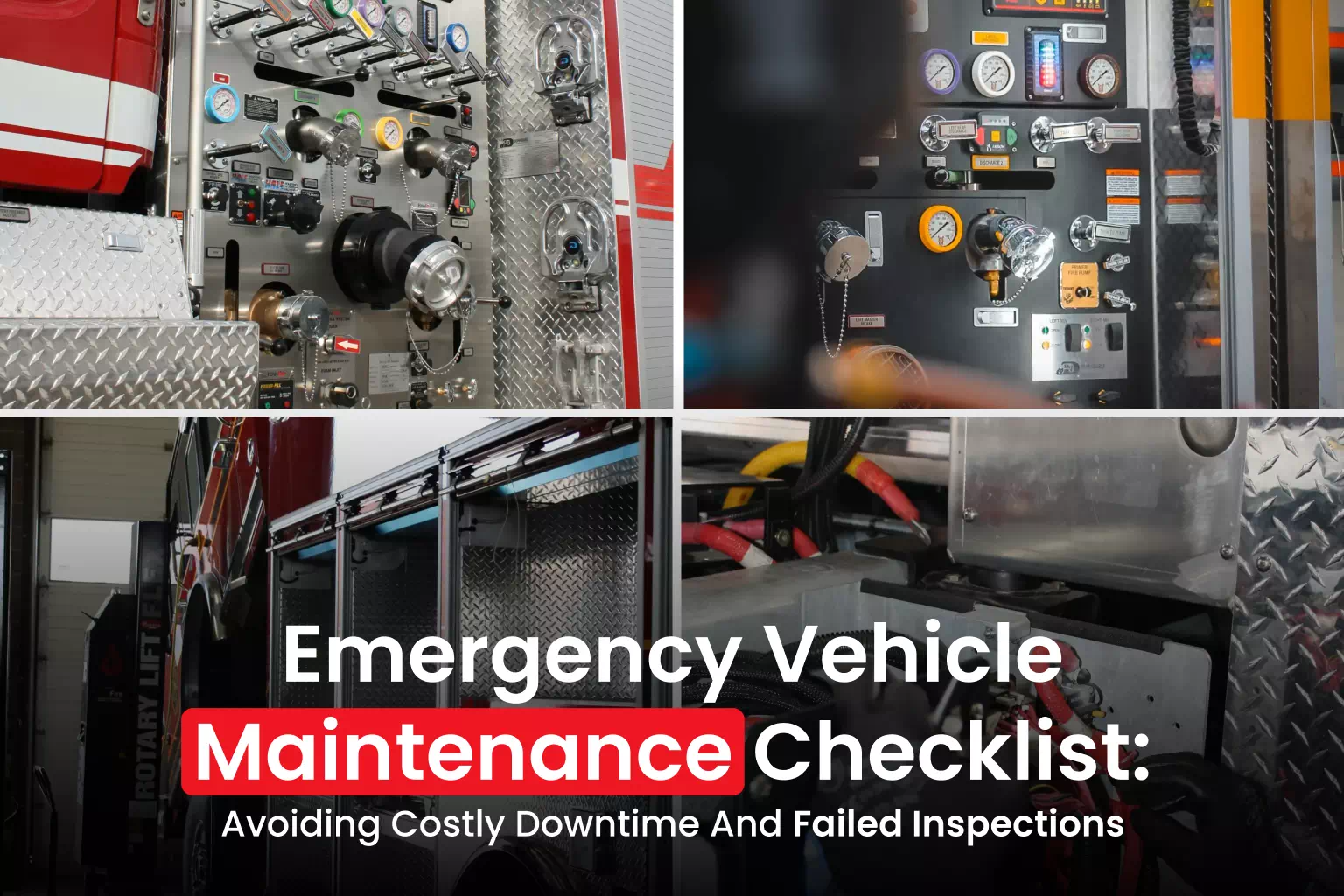
- Pump Performance Testing: Conduct a full load pump test (or review recent certified test results) to verify suction, pressure and gallon-per-minute (GPM) discharge performance.
- Tank Material Integrity: Inspect poly, fiberglass, or steel water tanks for cracks, structural fatigue, or internal baffle damage—especially when evaluating fire truck tankers for sale.
- Valves and Manifolds: Inspect all intake and discharge valves for smooth operation, seal degradation, or severe corrosion.
- Foam Systems: Test foam proportioners, pumps and flushing systems for proper flow and operational accuracy.
3. Chassis, Engine, Transmission and Drivetrain
An engine failure en route to an incident is a critical safety hazard. A thorough mechanical evaluation protects your investment when browsing used fire apparatus for sale.
- Engine and Transmission Diagnostics: Perform a fluid analysis on engine oil, transmission fluid and coolant to detect internal wear, gasket leaks, or metal shavings.
- Engine Hours vs. Mileage: Fire trucks often idle for extended periods at incident scenes. High engine hours relative to low mileage indicate significant engine wear.
- Brake and Suspension Systems: Check air brake system bleed-down rates, drum/disc thickness, spring packs and shock absorbers.
- Tire Condition and Age: Check tire tread depth and verify manufacturing date codes; NFPA guidelines recommend replacing emergency vehicle tires every 7 to 10 years regardless of tread depth.
4. Frame, Undercarriage and Corrosion Inspection
Environmental exposure heavily affects structural lifespan. Frame rail degradation is a major risk when evaluating a used fire truck for sale that operated in harsh winter climates.
- Frame Rail Integrity: Inspect frame rails, crossmembers and outriggers for severe rust, flaking metal, or structural cracks.
- Undercarriage Protection: When browsing used fire trucks for sale in Canada, ensure the vehicle received routine undercoating and corrosion inhibitor treatments to resist road salt damage.
- Cab and Body Mounts: Check body bushings and pivot mounts for rot, displacement, or frame alignment issues.
5. Electrical Systems, Cab Ergonomics and Body Compartments
Modern response vehicles rely heavily on complex electrical architectures to power warning systems and auxiliary equipment.
- Multiplex and Conventional Wiring: Inspect main wiring harnesses for frayed cables, corrosion, or unofficial aftermarket splicing.
- Generator and Lighting Operations: Test scene lights, emergency beacons, sirens and onboard generators under full operational electrical load.
- Compartment Functionality: Inspect door latches, slide-out tool trays, roll-up doors and compartment weather stripping.
- Cab Interior and Seating: Verify seatbelt pretensioners, SCBA bracket latching mechanisms and climate control performance.
Pre-Purchase Inspection Matrix
Use this quick-reference matrix when inspecting any fire truck for sale:
| System Component | Primary Inspection Focus | Critical Red Flags |
| Pump & Plumbing | Pressure performance, valve seals, tank baffles | Cavitation, leaking seals, cracked tank welds |
| Engine & Transmission | Fluid analysis, idling hours, transmission shifts | High engine hours, coolant in oil, slipping gears |
| Frame & Undercarriage | Frame rail rust, suspension bushings, crossmembers | Flaking structural rust, cracked frame rails |
| Electrical System | Load capacity, warning lights, generator output | Spliced wiring, dead battery banks, failed alternator |
| Brakes & Tires | Air system leak rates, tire DOT age codes | Tires >7 years old, slow air pressure build-up |
Regional Considerations: Sourcing Pre-Owned Trucks in Canada
When searching specifically for a fire truck for sale in Canada, regional factors play an essential role in long-term suitability:
- Cold Weather Packages: Ensure the truck includes pump heat pans, auxiliary engine heaters and insulated pump enclosures designed for sub-zero operations.
- Regulatory Standards: Confirm the apparatus complies with Canadian provincial transport rules and safety inspection certifications before placing it into service.
- Rust Prevention: Vehicles sourced from regions using heavy winter road salts—such as those listed under used fire trucks for sale in Ontario—require meticulous frame rail and body seam inspections.
Partnering with Dependable Emergency Vehicles
Navigating the pre-owned apparatus market requires expert technical support. At Dependable Emergency Vehicles, based in Brampton, Ontario, we support departments throughout the entire apparatus lifecycle.
Whether you are evaluating used fire trucks for sale, looking to refurbish an active asset, or seeking certified EVT mechanical support, our team provides comprehensive solutions:
- Certified Pump & Aerial Testing: Comprehensive safety and performance testing by certified EVT technicians.
- Fleet Refurbishment & Remounting: Extend the service life of existing bodies by updating chassis, wiring and paint.
- 24/7 Mobile Service Support: On-site maintenance and emergency repair to keep your fleet ready for response.
Contact Dependable Emergency Vehicles today to discuss your department’s fleet requirements, schedule an inspection, or learn about our pre-owned and stock apparatus solutions.
Frequently Asked Questions
What are the most important things to check when buying a used fire truck?
The top priorities are auditing certified EVT maintenance records, conducting a full pump performance test, analyzing engine hours alongside mileage and performing a thorough frame rail corrosion inspection.
How do engine hours compare to mileage on a fire truck?
Because fire apparatus idle continuously at emergency scenes to power pumps, generators and scene lighting, engine hours are often a truer indicator of engine wear than odometer mileage. One engine hour is roughly equivalent to 33 miles (53 km) of driving wear.
Why is undercarriage rust such a critical issue on used Canadian fire trucks?
Winter road salt and de-icing chemicals accelerate frame rail oxidation and electrical terminal corrosion. Unchecked corrosion can compromise structural frame strength, leading to failed safety inspections and unsafe operating conditions.
Can a used fire truck be updated to meet modern needs?
Yes, many pre-owned rigs undergo refurbishment. Upgrades like LED lighting conversions, body repainting, pump overhauls, cab interior updates and remounting existing bodies onto modern chassis can extend useful service life at a fraction of the cost of buying new.